Can Fotona Laser Treatments Help Reduce Stretch Marks?
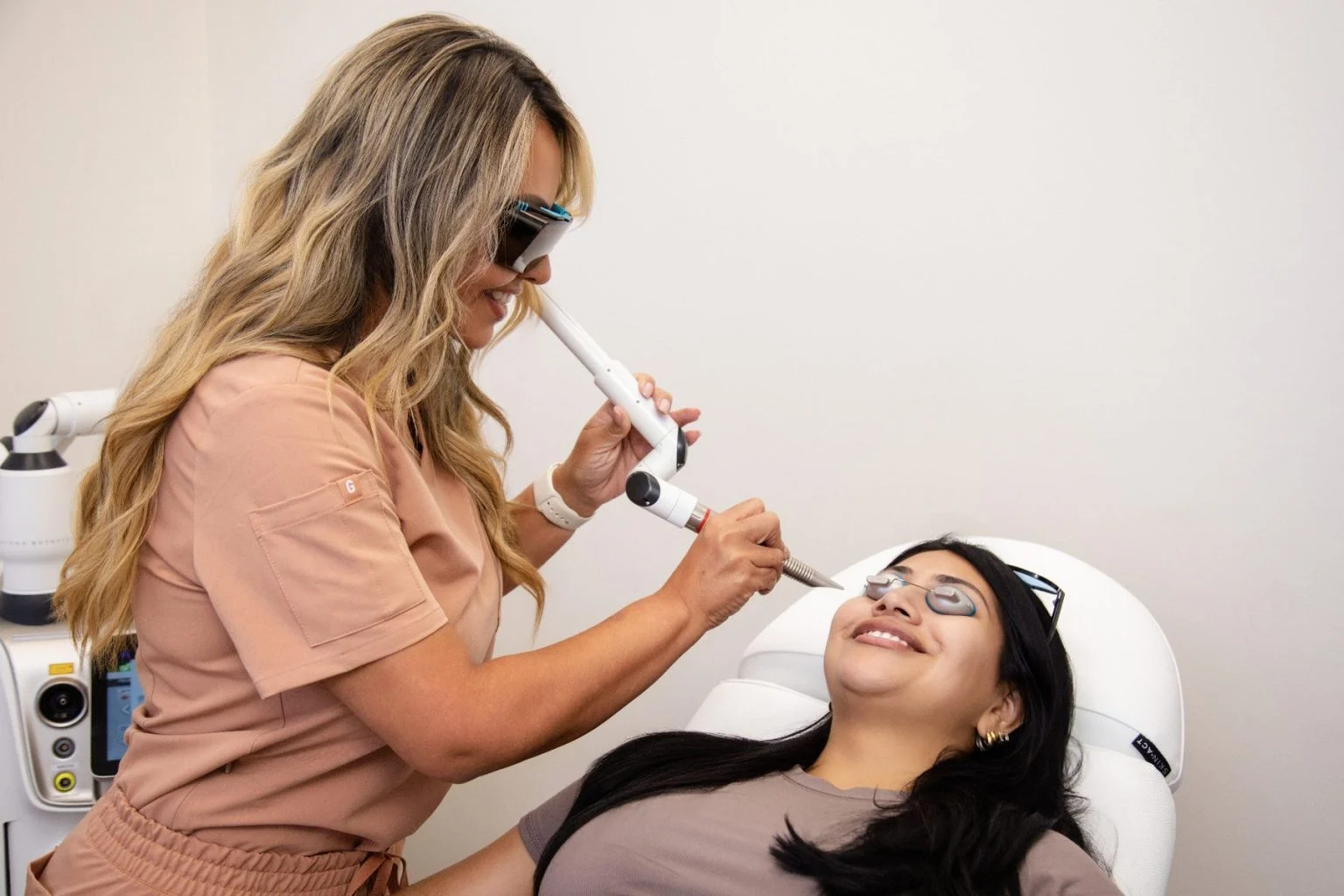
Stretch marks are common, stubborn, and often misunderstood. Almost everyone has seen them, many people have them, and a surprising number feel frustrated by how difficult they are to treat. They can show up after pregnancy, puberty, weight changes, intensive muscle gain, or periods of hormonal fluctuation. Some fade quietly over time. Others linger for years, changing from reddish or purple lines into pale, slightly creased streaks that catch the light differently from surrounding skin.
That matters because stretch marks are not just about color. They are a structural change in the skin. Once that is clear, the logic behind laser treatment makes more sense.
Fotona Laser Treatments are often discussed in clinics as an option for improving stretch marks, but the real question is not whether a laser can make them disappear completely. In most cases, that is not a realistic promise. The better question is whether treatment can make them less noticeable by improving texture, stimulating collagen remodeling, and blending them more effectively with nearby skin. For the right patient, the answer is often yes.
The nuance sits in the details, specifically the age of the stretch marks, skin tone, body area, treatment settings, healing response, and expectations. A good result is usually an improvement story, not an erasure story.
What stretch marks actually are
Stretch marks, medically called striae, form when the skin stretches beyond what its supporting collagen and elastin framework can comfortably tolerate. Despite the name, the process is not just mechanical stretching. Hormonal influences, genetics, age, skin quality, and even medication history all play a role. That is why one person can gain or lose weight rapidly and develop only a few faint lines, while another develops broad, visible streaks after a relatively modest change.
Early stretch marks, often called striae rubrae, tend to be pink, red, or purplish. At that stage, they are more inflamed and vascular. Older stretch marks, or striae albae, are usually white, silvery, or lighter than the surrounding skin. These older marks are flatter in color but often more texturally obvious. Many patients say the pale ones bother them more because makeup does not sit smoothly over them and self tanner highlights the difference rather than hiding it.
That distinction matters because different lasers target different features. Some are better for redness. Others are more useful for texture and collagen stimulation. Fotona systems are typically valued because they can be adjusted in ways that address the structural side of the problem.
Why lasers are used for stretch marks at all
Topical creams can support hydration and help skin feel smoother, but once a true stretch mark is established, cream alone rarely changes the underlying architecture in a meaningful way. That is where energy-based treatments come in. The goal is to create controlled thermal effects in the skin that trigger repair and remodeling.
With stretch marks, the target is not a pigment spot sitting on the surface. It is altered dermal tissue below the surface. Lasers work by encouraging the body to lay down new collagen and reorganize damaged fibers. If that response is successful, the stretch mark may become narrower, softer, less indented, and closer in tone to adjacent skin.
This is the central reason Fotona Laser Treatments attract attention. They are not trying to polish away a superficial flaw. They are used to provoke a deeper skin renewal response.
Where Fotona fits in
Fotona is a laser platform brand known for systems that often use erbium:YAG and Nd:YAG wavelengths. Not every clinic uses the same protocol, and not every device is configured identically for stretch marks, so treatment can vary more than patients realize. That is one reason online before and after photos can be confusing. Two people may both say they had “Fotona,” yet receive very different treatment depths, passes, intervals, and endpoints.
For stretch marks, practitioners commonly rely on modes that create controlled heat and, in some cases, fractional ablation or non-ablative remodeling. The aim is usually one or both of these effects: stimulate collagen production and improve surface irregularity. A skilled provider decides how aggressive to be based on the location, skin type, and the age of the marks.
In practice, this means newer red marks and older white marks may not be approached in exactly the same way. It also means a treatment plan for the abdomen after pregnancy can differ from one used on thighs, hips, breasts, or upper arms.
Can Fotona Laser Treatments actually reduce stretch marks?
Yes, in many cases they can reduce the visibility of stretch marks. The key word is reduce.
The improvements most commonly reported and observed in clinic are better texture, shallower depressions, softer edges, and a more blended appearance. Some patients also see tone improvement, especially when the marks still carry residual redness. The degree of change varies. Some people notice a modest but meaningful refinement, the kind you see in bright bathroom lighting or when the skin is stretched. Others get more dramatic improvement, especially when they commit to a proper series and have skin that heals with a strong collagen response.
What is less common is total elimination. I would be cautious of any provider who suggests otherwise without qualifiers.
Patients are often happiest when the stretch marks are no longer the first thing they notice. That may sound subtle, but in cosmetic medicine, that is often the real win. A treatment does not need to erase every line to change how a person feels wearing a swimsuit, fitted dress, or sleeveless top.
The kind of stretch marks that tend to respond best
Newer stretch marks often respond more readily than very old ones. That is true across many treatment categories. When the marks are relatively fresh, the tissue is still biologically more active. There is often more opportunity to influence color and remodeling at the same time.
Older white stretch marks can still improve, but they typically need more patience. These are the marks that have already matured into scar-like lines. They may require a longer treatment course and very realistic counseling. Texture can improve meaningfully, but complete blending is harder.
Body area also matters. The abdomen often responds differently than the thighs or breasts because the skin thickness, tension, and movement patterns vary. Thicker skin may tolerate stronger settings. Areas subject to constant friction or motion may heal more slowly or show swelling longer.
The patient’s age is not the only age that matters. The age of the stretch mark itself matters more.
What treatment sessions are usually like
A typical consultation starts with good lighting and a close look at the marks from more than one angle. Experienced clinicians do not just ask, “How bad are they?” They assess width, depth, color, distribution, skin tone, healing history, and whether there are other issues such as loose skin, pigmentation irregularity, or prior treatment scarring.
On treatment day, the skin is cleaned and photographed. Depending on the protocol, topical numbing may be used, though some settings are tolerable without it. Patients usually describe the sensation as heat, snapping, or a hot prickling feeling. More aggressive resurfacing settings can feel intense, particularly over bony areas or thinner skin.
Afterward, the skin may look red, swollen, and feel sunburned or warm. With ablative or fractional resurfacing approaches, there can be a grid-like texture, roughness, or pinpoint crusting during early healing. Downtime depends heavily on intensity. Some patients are back to normal social activity quickly. Others need several days before the skin looks calm enough for exposure.
That difference is important because clinics sometimes speak about “no downtime” as if all laser treatments are interchangeable. They are not. Fotona Laser Treatments can be adjusted from gentle to more assertive, and recovery follows accordingly.
Results take longer than many people expect
Stretch mark treatment is rarely a one-and-done experience. Collagen remodeling is slow. Even when the skin looks calmer in a week or two, the deeper improvement keeps unfolding over several weeks and often months.
A realistic course might involve three to six sessions, sometimes more, spaced several weeks apart. Some patients with extensive or older marks need longer. If the marks are broad, pale, and deeply textured, improvement may come in stages rather than as one dramatic shift. The first session may soften the feel. The second or third may improve visual blending. By later sessions, the mark can look narrower and less etched.
This delayed payoff can be emotionally challenging. People invest time and money, then stand in front of the mirror after one appointment expecting a major reveal. More often, laser treatment works like construction, not makeup. It remodels, and remodeling takes time.
The role of skin tone and why provider experience matters
Skin tone changes the risk profile of laser treatment. Darker skin types are more prone to post-inflammatory hyperpigmentation or, in some cases, lightening after overly aggressive settings. That does not mean patients with deeper skin tones cannot be treated. It means they https://knoxsjfy808.yousher.com/fotona-laser-treatments-for-personalized-skin-care-goals need careful device selection, conservative planning, and a clinician who understands how to balance efficacy with safety.
This is one of the more overlooked parts of laser marketing. The platform matters, but the operator matters just as much. A well-trained practitioner knows when to test, when to lower energy, when to extend intervals, and when not to treat at all because the risk outweighs the likely benefit.
I have seen patients chase the strongest possible treatment because they equate intensity with outcome. That logic can backfire. Aggression is not expertise. The best laser work is often measured, customized, and surprisingly restrained.
What influences how much improvement you might see
Several practical factors shape results, and they are worth understanding before you commit to treatment.
- the age of the stretch marks
- their color, width, and depth
- your skin tone and healing tendency
- the device settings and treatment intervals
- whether you follow aftercare closely
Even this list does not capture everything. Hormonal changes can continue to affect the skin. Significant future weight fluctuation or pregnancy can create new stretch marks even after successful treatment of older ones. Some patients also form stretch marks more easily because of inherited connective tissue characteristics. Laser treatment cannot rewrite that tendency.
What aftercare usually involves
The treatment may happen in an hour, but much of the outcome is shaped by what happens next. Freshly treated skin needs protection, moisture balance, and calm. Most clinics recommend gentle cleansing, bland moisturizers, strict sun protection, and a temporary pause on exfoliants, retinoids, active body products, and friction-heavy exercise if the area is irritated.
Sun exposure is one of the biggest avoidable problems. Treated skin that becomes inflamed and then exposed to UV light is far more likely to develop uneven pigmentation. This is especially relevant for thighs, abdomen, and chest during warmer months, when patients naturally wear lighter clothing.
If a patient is not prepared to protect the area well, it may be smarter to delay treatment until a season or schedule makes that more realistic.
What Fotona may do better than simpler options
People often ask why not just use microneedling, radiofrequency, a peel, or a prescription cream. The honest answer is that each tool has a place, and sometimes combination treatment is best. But lasers remain attractive because they can deliver more targeted energy into tissue changes that are fundamentally scar-like.
Compared with basic topicals, Fotona Laser Treatments can create a more meaningful collagen response. Compared with very superficial resurfacing methods, they can address both texture and remodeling at a deeper level. Compared with some single-purpose devices, Fotona platforms may give the practitioner more flexibility in how the treatment is layered and tailored.
That said, “better” depends on the case. A patient with very mild textural marks who wants almost no downtime might prefer another option. A patient with more obvious, mature stretch marks may benefit from a more intensive laser strategy. Good aesthetic medicine is not about loyalty to a machine. It is about matching the method to the skin problem.
The limitations patients should hear clearly
There is no responsible discussion of stretch marks without a frank look at limitations. Even excellent treatment cannot return the skin to a state that is indistinguishable from untouched tissue in every case. The underlying collagen network has been altered. You can improve it, soften it, and make it far less noticeable, but not always erase the history.
Another limitation is variability. Two patients with seemingly similar marks can respond very differently. One lays down collagen beautifully. Another improves only modestly despite proper technique. Biology does not always cooperate with neat marketing language.
Cost is also part of the reality. A proper series can represent a significant investment, particularly when a large body area is treated. When marks cover the full abdomen and hips, treatment takes more time and more passes than a small patch near the outer thigh. Larger treatment fields usually mean higher cost.
Finally, there is the emotional side. Stretch marks often carry a story, pregnancy, growth, recovery, bodybuilding, medication use, or weight change. For some patients, reducing them brings real relief. For others, treatment becomes a moving target, where improvement never feels like enough. An ethical provider can help with the skin, but also with expectation setting.
Who tends to be a good candidate
The best candidates are usually healthy adults with stable expectations, established stretch marks they genuinely want to improve, and enough patience to complete a series and allow healing. It also helps when there is no active skin infection, no uncontrolled tendency toward poor wound healing, and no recent tanning in the area to be treated.
Patients who are happiest afterward are not necessarily the ones with the mildest marks. They are often the ones who understand what success looks like before they start. If a person hopes for softer, smoother, less obvious lines, that is often achievable. If the goal is total invisibility after one session, disappointment is likely.
Questions worth asking at the consultation
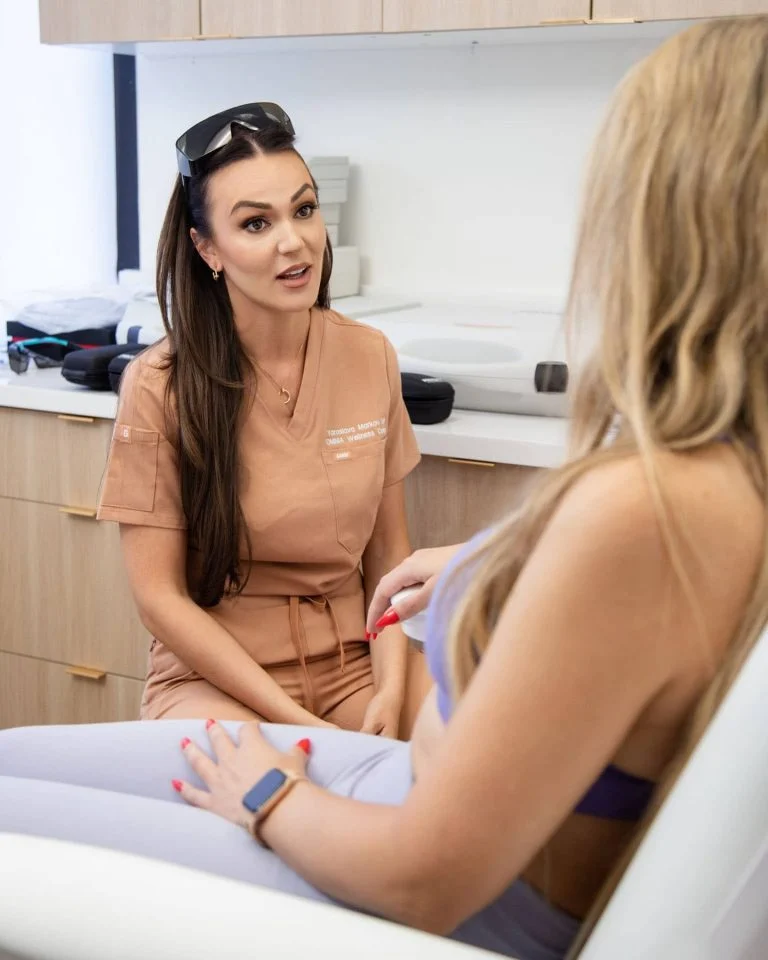
A strong consultation usually tells you more than a polished website ever will. Listen for specifics. Ask what type of Fotona protocol the clinic uses for stretch marks, how many sessions are commonly needed for cases like yours, what kind of downtime to expect, and what complications they see most often. Ask to see before and after photos of patients with similar skin tone and similar mark age, not just the clinic’s best result.
Here are five questions that quickly reveal whether the consultation is grounded in experience:
- Are my stretch marks more likely to improve in color, texture, or both?
- How many sessions do you realistically expect for this area?
- What is the downtime with the settings you are recommending?
- What risks are most relevant for my skin tone?
- If I do not respond strongly after two or three sessions, how would you adjust the plan?
These questions push the conversation toward judgment, not salesmanship.
How to think about before and after photos
Before and after photos can be useful, but they are easy to misread. Lighting angle, body position, skin hydration, and even a slight twist of the torso can change how obvious stretch marks appear. Photos taken right after moisturizer can make skin texture look smoother than it is in everyday conditions.
The best images are consistent in distance, light, angle, and posture. Even then, photos rarely capture touch. A patient may say the marks feel much softer and look less crinkled, even if the picture understates the improvement. That is why live assessment matters so much in practice.
A result should be judged by more than whether the lines still exist. Narrower, shallower, less reflective marks can represent a meaningful success.
So, can it help?
For many patients, yes. Fotona Laser Treatments can help reduce the appearance of stretch marks by stimulating collagen remodeling, improving texture, and helping the marks blend more naturally with surrounding skin. The best responses often come from newer marks, carefully selected settings, and a provider who understands both the technology and the biology of scar-like skin changes.
The caveat is simple and important. Help is not the same as perfection.
When stretch mark treatment goes well, the skin usually looks smoother, the lines feel less tethered, and the area draws less attention. Clothing choices feel easier. Bright overhead light becomes less annoying. The marks stop being the first thing the patient sees. For many people, that level of change is not small at all. It is exactly what they wanted.
OMNIA Wellness Center
Address: 16430 Ventura Blvd Ste 207, Encino, CA 91436
Phone number: +18183868511
FAQ About Fotona Laser Treatments
What is a Fotona laser good for?
A Fotona Laser system is a versatile, dual-wavelength medical laser used primarily for non-surgical skin tightening, anti-aging rejuvenation, and dermatological treatments.
How much does the Fotona laser cost?
The cost of a Fotona laser depends heavily on whether you are looking to purchase a laser machine for a medical practice or are a patient seeking a laser treatment at a medspa.
Is a Fotona laser worth it?
A Fotona laser treatment is generally worth it if you want non-surgical skin tightening, improved texture, and collagen stimulation with very little downtime.